This Week in Music: The Old Guard Cashes Out, the New Guard Walks Away

There's a particular kind of week in music where you can feel the tectonic plates shifting beneath the industry's feet. This was one of them. Not because of any single earthquake, but because of the pattern that emerged when you laid every story side by side: the old structures are either being celebrated as relics or actively abandoned by the people who once needed them most.
Start with Lorde. After seventeen years with Universal Music Group — a relationship that began when she was twelve years old, barely old enough to understand what she was signing — the deal has expired, and she's walking. Not to another major. Not to a bidding war. Into the open air. It's the kind of move that would have been commercial suicide a decade ago. Now it reads as the rational choice for an artist with a built audience, a clear creative identity, and no interest in asking permission. The majors aren't losing market share to a competitor. They're losing it to the concept of independence itself.
Labrinth is telling a rougher version of the same story. His scorched-earth social media post this week — aimed squarely at Columbia Records and the Euphoria production apparatus — lacked Lorde's composure but carried the same message: the institutional relationship has broken down, and the artist is done pretending otherwise. Something clearly snapped behind the scenes. When a composer who scored one of the decade's most culturally dominant shows says "I'm done," the silence from the label side speaks volumes. These aren't fringe acts complaining about streaming royalties. These are artists at the center of the machine, choosing to step out of it.
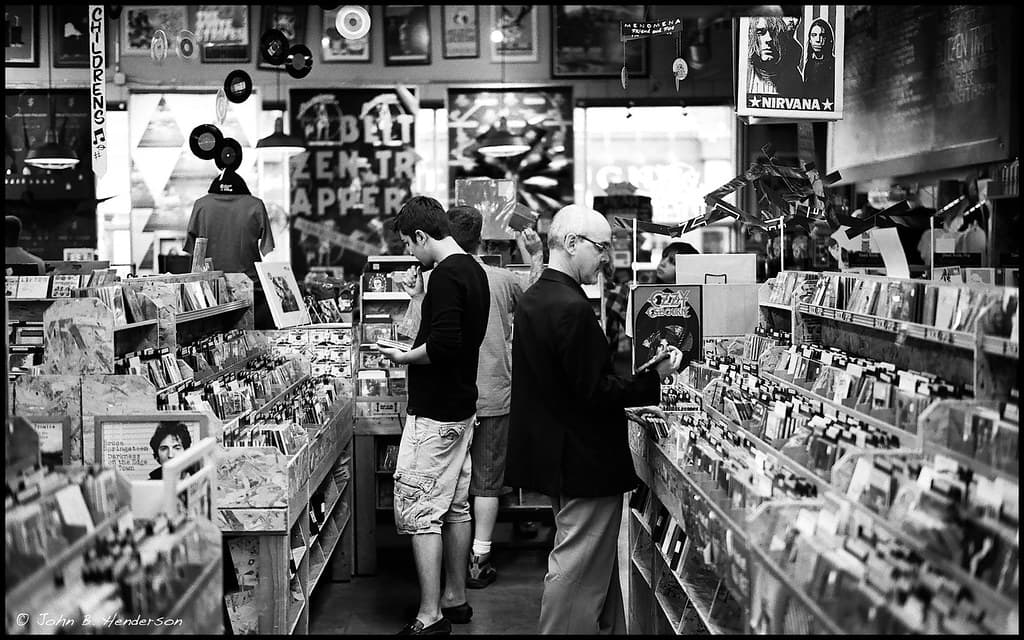
Meanwhile, the machine itself keeps printing money — just not in the ways anyone predicted. U.S. vinyl revenue crossed $1 billion this year for the first time since 1983. Let that sink in. The format the industry left for dead has outpaced its Reagan-era peak, powered in large part by Taylor Swift's multi-variant release strategy and a collector culture that treats records less like music delivery and more like merch. It's a genuine milestone, and it's also a little strange. Vinyl's triumph is an analog victory in a digital economy, nostalgia monetized at scale. Pair it with the report that AI music tools now have over two million paying users and a $14.5 million vintage guitar sale in the same news cycle, and you get a week that couldn't decide whether music's future is handmade or algorithmic — so it chose both.
“Meanwhile, the machine itself keeps printing money — just not in the ways anyone predicted.”
On the cultural front, the 98th Academy Awards delivered two moments that will echo well beyond Hollywood. 'Golden,' from KPop Demon Hunters, became the first K-pop song to win Best Original Song, a barrier that felt overdue and inevitable in equal measure. And then The Sinners cast — Miles Caton, Raphael Saadiq, and a stacked ensemble — performed 'I Lied to You' in a sequence that reportedly left the Dolby Theatre standing. The Oscars have always been a lagging indicator of cultural relevance, which makes these wins more interesting, not less. When the Academy finally catches up, it means the ground has already shifted irreversibly.
Then there's the legacy circuit, alive and well and selling out stadiums. Jay-Z announced back-to-back nights at Yankee Stadium this July, marking thirty years of Reasonable Doubt and twenty-five of The Blueprint. It's a victory lap, and a deserved one. Radiohead, characteristically, chose the weirder path: a global touring plan rationed at one continent per year, twenty shows each, starting in 2027. It's part environmental calculus, part artistic boundary-setting, and entirely on brand. Both acts are operating from positions of total leverage, choosing exactly how and when they show up. That used to be a luxury. Now it looks like the only sustainable model.
Zoom out and the throughline is unmistakable. The artists with real leverage are using it to set their own terms — whether that means leaving a label, torching a bridge, or touring on a schedule that prioritizes sanity over revenue maximization. The industry's legacy formats are booming in ways no one forecast. And the global mainstream keeps widening, pulling Seoul and Shreveport onto the same awards stage.
What this week made clear is that power in music isn't consolidating. It's scattering. And the artists who understand that first are the ones who'll define what comes next.
More in Industry

Warner Music Group Locks In Exclusive Netflix Deal for Artist Docs
WMG and Netflix are teaming up on a multiyear first-look deal to produce artist and songwriter documentaries. Unigram will handle production.

Lorde Goes Independent After 17 Years With Universal Music Group
Lorde's record deal with Universal has expired after a relationship that started when she was 12. She's now exploring life as an independent artist.